





How to Choose a Lifelike Doll Toy: A Comprehensive Guide
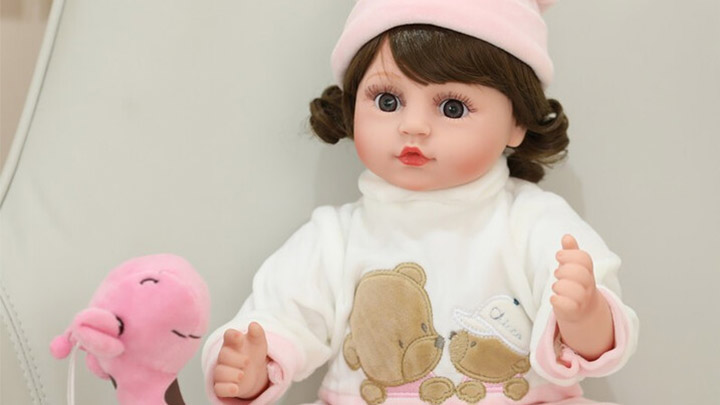
Lifelike dolls, often referred to as realistic or reborn dolls, have gained immense popularity among collectors, children, and hobbyists alike. These dolls are crafted to resemble real human babies or characters with astonishing detail. Whether you are buying one for play, display, or as a gift, selecting the right lifelike doll toy can be a rewarding experience. Here’s a step-by-step guide to help you make an informed choice.
1. Determine the Purpose
Before purchasing, consider why you want the doll. Is it for a child to play with, for your collection, or as a therapeutic tool?
- For children: Look for durable, lightweight, and safe materials. Avoid dolls with small parts that could be choking hazards.
- For collectors: Focus on details like hand-painted features, weighted bodies, and high-quality materials.
- For therapy: Some lifelike dolls are used for dementia patients or as emotional support. In this case, soft, cuddly, and calming designs are ideal.
2. Check the Material
Lifelike dolls are typically made from one of three materials:
- Vinyl: Common in reborn dolls, vinyl feels realistic and holds fine details well. It’s easy to clean but can be firm.
- Silicone: Softer and more flexible, silicone mimics human skin texture. It’s often used for high-end collectibles but may require gentle care.
- Cloth: Some dolls combine cloth bodies with vinyl or silicone limbs. These are lightweight and huggable, making them great for children.
3. Examine the Details
The realism of a doll lies in its details. Look for:
- Hand-painted features: High-quality dolls have multi-layered, hand-painted skin tones, veins, and tiny imperfections like birthmarks.
- Rooted or painted hair: Rooted hair (individually implanted) looks more realistic but requires maintenance. Painted hair is durable and low-maintenance.
- Weighted bodies: Some dolls are weighted to feel like a real baby, adding to the lifelike experience.
- Articulation: Decide if you want a poseable doll with movable limbs or a static one for display.
4. Size Matters
Lifelike dolls come in various sizes, from tiny preemies to life-sized toddlers. Consider where you’ll display or store the doll. A 24cm doll, for example, is compact and portable, while larger dolls may require more space.
5. Safety First
If the doll is for a child, ensure it meets safety standards. Look for:
- Non-toxic materials (BPA-free, phthalate-free).
- Sturdy construction to prevent breakage.
- No small, detachable parts for younger children.
6. Budget and Authenticity
Lifelike dolls range from affordable mass-produced options to high-end artist-made creations.
- Budget-friendly: These are often factory-made and may lack intricate details but are still charming.
- Mid-range: Better materials and more realistic features, suitable for most collectors.
- High-end/Artist dolls: Handcrafted by skilled artists, these are unique, highly detailed, and often come with certificates of authenticity.
7. Where to Buy
Purchase from reputable sellers or brands to avoid scams. Online marketplaces like Etsy, specialized doll stores, or official brand websites are good options. Read reviews and check return policies before buying.
8. Care and Maintenance
Lifelike dolls require proper care to last. Follow the manufacturer’s instructions for cleaning and storage. Silicone dolls may need powdering to maintain their softness, while vinyl dolls can be wiped with a damp cloth.
Conclusion
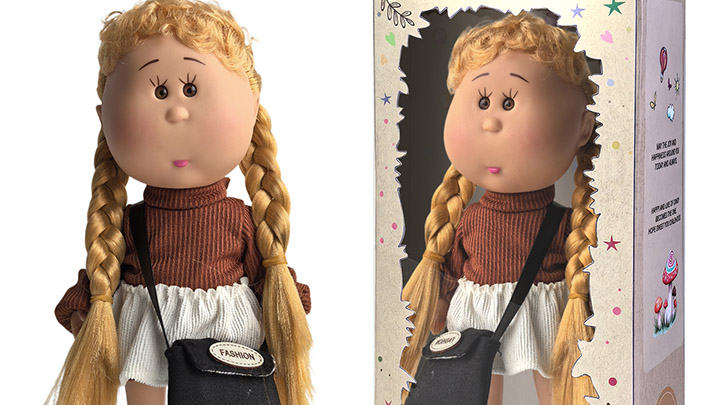
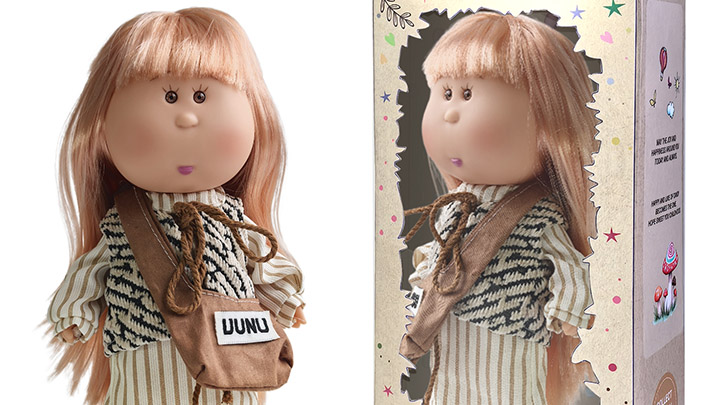
Choosing a lifelike doll toy is a personal journey that depends on your preferences, budget, and intended use. By considering factors like material, details, and safety, you can find a doll that brings joy, comfort, or artistic appreciation into your life. Whether it’s a 24cm potato doll, a Stranger Things-inspired character, or a realistic baby, the perfect lifelike doll is out there waiting for you!