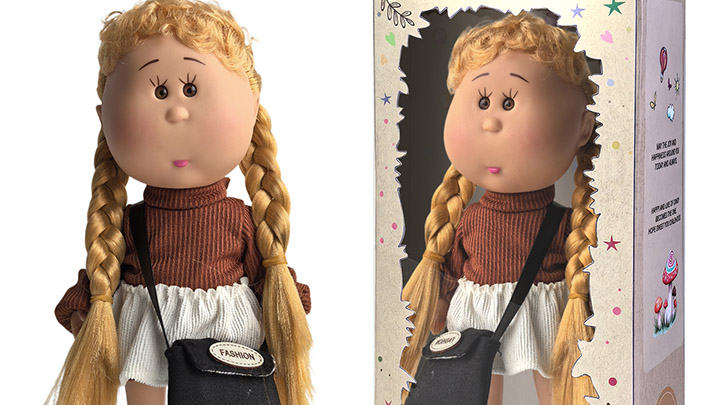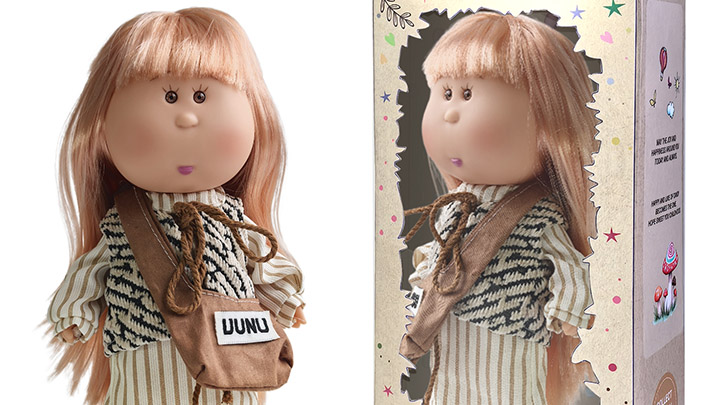






What Materials Are Used to Make a 24cm Potato Doll? A Detailed Guide
Potato dolls, with their charmingly quirky appearance and huggable design, have captured the hearts of collectors and casual buyers alike. The 24cm size is particularly popular, offering the perfect balance between portability and cuddliness. But what exactly goes into making these adorable companions? Understanding the materials used can help you appreciate their craftsmanship and make informed purchasing decisions. Here's a comprehensive look at the materials commonly used in creating 24cm potato dolls.
1. Outer Fabric: The "Skin" of the Doll
The outer fabric is perhaps the most important material, as it determines the doll's look, feel, and durability. Different manufacturers and artisans use various fabrics based on the desired aesthetic:
- Plush Fabric: Many commercial potato dolls use soft plush material, which gives them a velvety texture and makes them incredibly huggable.Plush fabric is durable, retains its shape well, and comes in various colors to mimic different potato varieties.
- Cotton and Linen: Higher-end or artisanal potato dolls often feature cotton or linen fabrics . These natural materials are breathable, gentle to the touch, and can be textured to resemble a real potato's skin. Some dolls use a slightly textured cotton that mimics the earthy, organic feel of an actual potato.
- Wool and Knitted Materials: Handcrafted potato dolls may use knitted wool construction, which creates a warm, handmade aesthetic .Wool provides excellent elasticity and doesn't easily deform when compressed, making it ideal for dolls that will be frequently handled.
- Hand-Painted Surfaces: Some artistic potato dolls, particularly those designed as collectibles, feature hand-painted details on fabric surfaces to create depth, shading, and realistic potato-like characteristics .
2. Stuffing and Filling: The Inner Core
What's inside a potato doll matters just as much as the outside:
- Polyester Fiberfill: The most common filling material, polyester fiberfill is lightweight, hypoallergenic, and provides that soft, squishy feel that makes potato dolls so huggable -1. It bounces back after compression and is easy to clean.
- Cotton Filling: Some traditional or eco-friendly dolls use natural cotton stuffing, which offers a firmer, more substantial feel .
- Weighted Fillings: Premium potato dolls may include weighted elements like glass beads or plastic pellets, often enclosed in an inner fabric pouch. This gives the doll a satisfying heft that many collectors find comforting and more realistic.
3. Embellishments and Details
The charming features that give potato dolls their personality come from various materials:
- Embroidery Thread: Facial features like eyes, mouths, and sometimes rosy cheeks are often embroidered using cotton or polyester thread. Embroidered details are more durable than printed ones and add to the handmade quality.
- Felt and Fabric Accessories: Many potato dolls come with accessories like scarves, hats, tiny clothing items, or decorative elements made from felt, cotton, or other complementary fabrics.
- Printed Cards and Tags: Some potato dolls, especially those marketed as "positive potato" or motivational gifts, come with small cards featuring encouraging messages .These are typically made from paper or cardstock and attached to the doll.
4. Safety Considerations in Materials
When selecting a 24cm potato doll, especially for children, material safety is paramount:
- Non-Toxic Dyes and Finishes: Quality potato dolls use fabrics dyed with non-toxic, child-safe colors that won't fade or bleed .
- Hypoallergenic Fillings: Look for dolls with hypoallergenic stuffing to prevent allergic reactions.
- Securely Attached Elements: All embroidered or attached features should be securely fastened to prevent choking hazards.
5. Comparing Material Quality Across Price Points
The materials used in 24cm potato dolls vary significantly by price range:
- Budget-Friendly Dolls ($10–$25): Typically use basic plush fabric and standard polyester filling. These are machine-made and prioritize affordability over premium materials.
- Mid-Range Dolls ($25–$50): Often feature better-quality fabrics like soft cotton blends, more substantial stuffing, and hand-embroidered details .
- Premium/Artist Dolls ($50+): May incorporate high-end materials like organic cotton, linen, hand-painted fabric surfaces, weighted elements, and intricate hand-stitched details .
6. Care and Maintenance by Material Type
Different materials require different care approaches:
- Plush and Polyester Dolls: Often machine-washable on gentle cycles or easily spot-cleaned.
- Wool and Knitted Dolls: Typically require hand washing and air drying to maintain shape.
- Hand-Painted Dolls: Should be gently wiped with a damp cloth and kept away from excessive moisture.
- Dolls with Weighted Elements: May have specific cleaning instructions to protect the inner filling.
Conclusion
The 24cm potato doll, whether it's a simple plush toy or an elaborate art piece, is crafted from a thoughtful combination of materials designed to bring it to life. From the soft outer fabrics like plush, cotton, or wool to the comforting inner fillings of polyester or cotton, each material serves a purpose in creating a doll that's not just visually appealing but also delightful to hold. The embroidered details and accessories add personality, while safety considerations ensure these charming companions can be enjoyed by all ages. Understanding these materials helps you appreciate the craftsmanship behind each potato doll and choose the perfect one for your needs